Key points
- Early HIV infection is also known as acute or primary HIV infection.
- It may cause flu-like symptoms.
- HIV multiplies quickly during the early phase and weakens the immune system.
- Some types of tests are better at detecting recent HIV infection than others.
- Starting treatment soon after diagnosis prevents infecting others and protects the immune system.
The months just after HIV infection are important in terms of infectiousness and damage to the immune system.
There are some technical words which you might hear healthcare staff use in relation to early HIV infection:
- Acute HIV infection – this refers to the immediate period after HIV infection including the first month after you have been infected.
- Primary HIV infection - this refers to the six-month period after infection.
- Seroconversion – this describes your immune system producing antibodies in response to HIV for the first time.
What does ‘seroconversion’ mean?
Once infected with HIV, the virus takes hold in your body by multiplying quickly. Your immune system responds by producing antibodies in response to the virus. This period is known as seroconversion.
During seroconversion, your immune system is weakened and HIV spreads very quickly throughout your body.
CD4 cells are a type of white blood cell that play an important role in your immune system. During the early phase of infection, the amount of CD4 cells in your blood usually drops. The lower your CD4 cell count is, the weaker your immune system is.
During seroconversion there is also a high amount of HIV in your blood (this is called having a high ‘viral load’). This means that in the early phase of infection, there is more risk of infecting other people.
What does seroconversion illness feel like?
When seroconversion happens, you might feel unwell for a short amount of time. This is called seroconversion illness. Seroconversion illness usually occurs one to four weeks after infection. Signs and symptoms may include non-specific, flu-like symptoms, such as:
- fever
- swollen glands
- a sore throat
- mouth ulcers or thrush in your mouth
- weight loss
- tiredness
- body aches
- vomiting
- a rash.
It’s thought that more than six in every ten people infected with HIV experience one or more of these symptoms shortly after infection. You can find out more about the signs and symptoms of early HIV infection on another page.
How do you find out if you have HIV?
If you are concerned about a possible recent HIV infection, you should take an HIV test. Not everyone has symptoms after a recent infection, so testing is the only reliable way to know whether you have HIV.
If you might have been exposed to HIV within the last 72 hours (three days), you and your doctor should also discuss whether post-exposure prophylaxis (PEP) would be right for you. PEP is medicine that can be taken to prevent HIV from taking hold and may mean that you remain HIV negative.
Antigen/antibody tests
The most accurate tests for HIV diagnosis after recent infection are ‘antigen/antibody laboratory tests’ (also known as fourth-generation or ELISA tests). These tests can detect two things:
- Antigens - part of the HIV virus that is present in high levels in the blood between HIV infection and seroconversion.
- HIV antibodies - these are produced by the body during seroconversion and continue to be in your blood afterwards.
Because these tests can detect both of these things, HIV antigen/antibody tests will usually detect HIV within four weeks of infection. They can sometimes detect infections as early as ten days afterward.
Rapid, point-of-care tests and self-tests
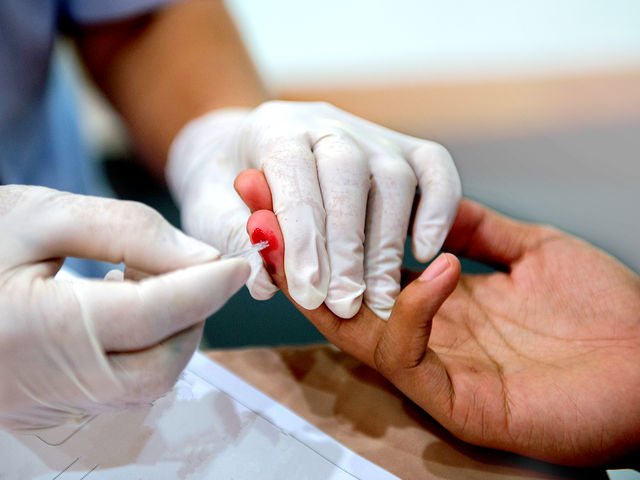
‘Rapid, point-of-care tests’ can be taken in any setting (for example, at a sexual health clinic). They only need a tiny sample of blood (from a finger prick) or moisture from a mouth swab. The result of a rapid point-of-care test is usually available within 30 minutes.
The downside is that they might not be able to accurately detect a recent infection. This is because most of them rely on detecting HIV antibodies which can take some time to appear in your blood. Some healthcare workers may use a rapid, point-of-care tests which detects both antigens and antibodies, and these are more accurate in this situation.
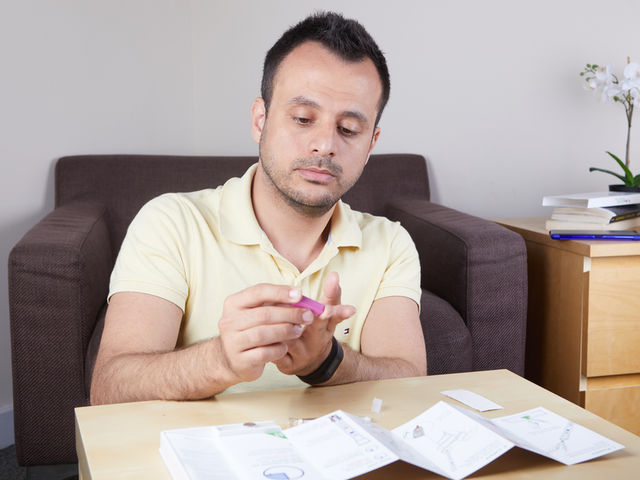
Self-tests are similar to rapid point-of-care tests but they can be done at home. You take the test yourself and read the results based on the instructions that come with the test. Self-tests only detect antibodies.
Using these tests soon after HIV infection can lead to false negatives. This is when the test says you don’t have HIV, but you do.
If you take a rapid, point-of-care test or a self-test and it says you don’t have HIV, you might have to take another test a few weeks later, especially if you think you might have been exposed to the virus very recently.
If you take a rapid, point-of-care test or a self-test and it says you have HIV, you should have an antigen/antibody laboratory test to make sure the result is accurate.
Point-of-care and self-tests can also sometimes give false negatives to people who start antiretroviral therapy (ART) very soon after HIV infection.
This is because when treatment is started early, it effects the number of antibodies in your blood. This could lead to a negative test result but it does not mean that HIV has been cured or removed from your body.
If you are already taking HIV treatment, you should not use a rapid test or self-test to confirm that you have HIV. There’s more information about this on another page.
Starting treatment
Current treatment guidelines in the UK recommend that all people with a recent HIV infection are reviewed by a specialist and offered antiretroviral therapy (ART) immediately.
You don’t have to start HIV treatment right away, but you might be strongly recommended to start treatment within two weeks of your diagnosis if you:
- have neurological (brain, nerve, or spine) symptoms, such as meningitis, cognitive or motor symptoms, or weakness or numbness from nerve damage
- have an AIDS-defining illness or serious infection
- have a CD4 count below 350 cells
- had an HIV-negative test result within 12 weeks of being diagnosed with HIV
- are pregnant or breastfeeding.
There are lots of benefits to starting treatment as soon as possible, regardless of your CD4 count, such as limiting damage to your immune system and giving you a better chance of your immune system recovering to normal levels.
Scientists are also currently looking at whether starting HIV treatment in the first few weeks of having HIV has long-term benefits in terms of reducing the size of the ‘HIV reservoir’. This is a hidden store of the HIV virus that stays asleep inside certain cells, even when you take HIV treatment. Reducing the reservoir size could be important for HIV cure research in the future.
So far, it seems, starting treatment quickly reduces the size of the reservoir, but doesn’t make it disappear.
Onward transmission of HIV
Another benefit of taking treatment is preventing onward transmission of HIV.
Before starting treatment, you are most infectious during early HIV infection when your viral load is very high. It is important that preventative methods such as condoms or PrEP are used during this time to protect your sexual partners.
After starting treatment, your viral load will drop until it reaches a low enough level to be classified as ‘undetectable’.
Research shows that those on effective treatment with a consistently undetectable viral load cannot transmit the virus to others. It may take a few months to reduce the viral load to undetectable levels once on treatment.
Next steps
Starting treatment remains your decision and you should discuss any concerns you have with your doctor.
Taking your treatment as prescribed by your doctor is important to achieve a very low (undetectable) viral load is important. Taking medication will be an ongoing and long-term commitment.
Even if you do not take treatment, after a few months, your immune system will be better at keeping the virus under control. You will feel better, your viral load will go down and your CD4 count will go up. Nonetheless, you could still pass on HIV if you are not taking treatment.
If you have been recently diagnosed with HIV, you may find these pages helpful.